Arrive in Buenos Aires – visit Costanera Sur Reserve
Day 2-3:
Fly to Tucuman & drive to Tafi
Day 4-5
Quilmes & Cafayate - Monte desert and Chaco woods
Day 6-7-8
Yungas Cloudforest and Chaco woods near Salta
Day 9-10-11
Humahuaca Gorge & Puna Altiplano
Day 13-14
Montane Forest at Yala
Day 15
Montane Forest - Fly to Buenos Aires
(The sites described and itinerary can change slightly. Contact us for complete details, or for customizing this tour)
Flora Andina
A botanist's journey to the Andes Mountains
15 days /
14 nights
The great diversity of habitats along the southern Andes comprises some of the most stunning flora on the continent. This tour will take us through seven biogeographical regions, including the humid Yungas cloudforest, Chaco woods, Puna deserts and also the Monte, an endemic ecosystem of Argentina.
At Costanera Sur Nature Reserve we start with an introduction to the Argentine flora, admiring Cockspur coral tree or “Ceibo” (Erythrina crista-galli), the Argentine national flower, and extensive stands of Pampas Grass (Cortaderia selloana) growing naturally.
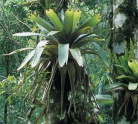
A flight to the northwest of the country brings us to the Andes cordillera itself, and the main attractions of the trip. Dissected by a system of mountain chains and valleys, cloudforest habitats are found on the eastern slopes, while dry shrub-lands are on the rain-shadowed western slopes. At the Yungas we find Tipuana, Tabebuia, Jacarandas, and many other beautiful trees and numerous epiphytes, including orchids and giant bromeliads. At higher elevations, we explore Alder woods (Alnus acuminata) and grasslands, eventually reaching a high pass and then descending into the arid Calchaqui valley. Spread around Cafayate, the Monte brush-land is dominated by Creosote Bush (Larrea spp.) and typical leafless bushes with contrastingly, rich green branches. The Chaco woodlands spreading further down are distinguished by thorny and hardwood trees and the strange looking Floss Silk or “Drunken” Tree (Chorisia spp), reminiscent of a Baobab.
Entering the colorful valley of Humahuaca we find the most diverse cacti, including the columnar Trichocereus pasacana. We see many of these spectacular icons of the Andes at the high altitude botanical garden of Tilcara archaeological site, before proceeding higher up along the valley. Our final point is the high Puna, where we find a set of plants adapted to extremely low temperatures, such as the Azorella, as well as the most delicate desert flowers.
The scenery throughout this itinerary is simply stunning while providing magnificent opportunities to see other wildlife.